What We Do

Services

Here's the full range of ADU work we take on, broken down by project type.

HomeServices

Everything we take on

Every job below is one we do ourselves across Houston.

Detached ADU Construction

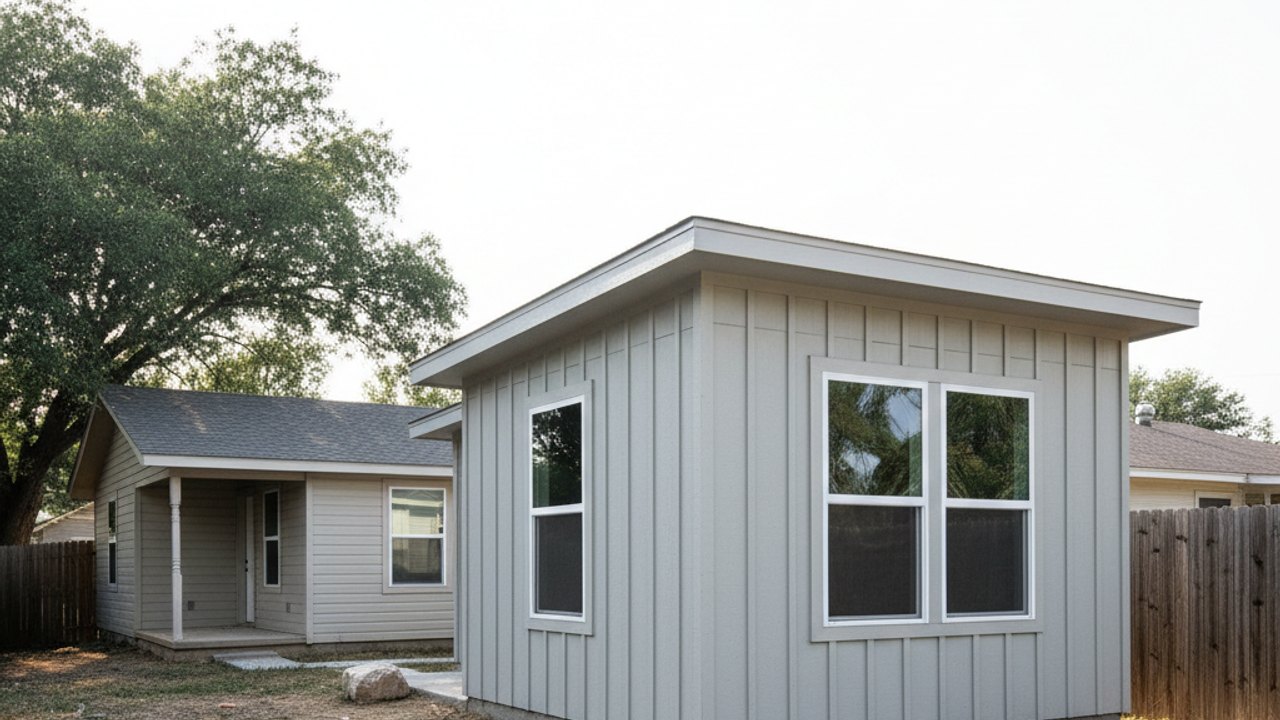
A standalone unit in the backyard, built on its own post-tensioned slab to handle Houston's clay soil. We frame it, roof it to match or complement the main house, and run separate electrical and plumbing so it functions as its own address. Most homeowners use these as a rental or a place for family to live close by without sharing a wall.

Garage Conversion ADU

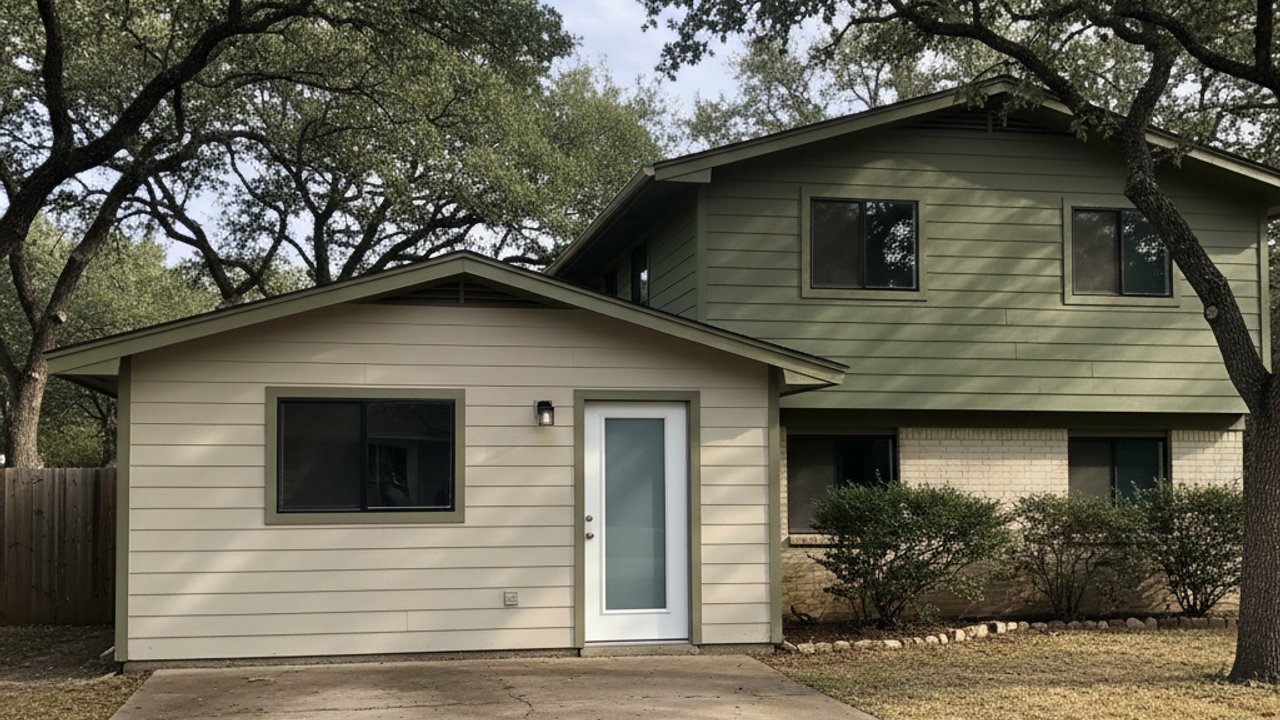
We turn an existing garage into livable square footage. That usually means raising or repouring the slab, adding a proper vapor barrier, and insulating walls that were never meant to be conditioned space. Old garage slabs often have cracks or a slope toward the door that has to be dealt with before any flooring goes down.

Attached ADU Additions

An addition that shares a wall with the main house needs a fire-rated wall assembly between the two living spaces, and the roof tie-in has to shed water the same way the original roof does. We match brick or siding so it doesn't look bolted on. This is usually the cheaper route per square foot since you're not running new utilities as far.

ADU Design & Permitting

Houston doesn't have citywide zoning, but it does have Chapter 42 lot size and setback rules that decide what you can build and where. We check floodplain maps, deed restrictions and HOA rules before we submit anything to the Houston Permitting Center. Getting this wrong is the single most common reason ADU projects stall for months.

ADU Foundation & Slab Work

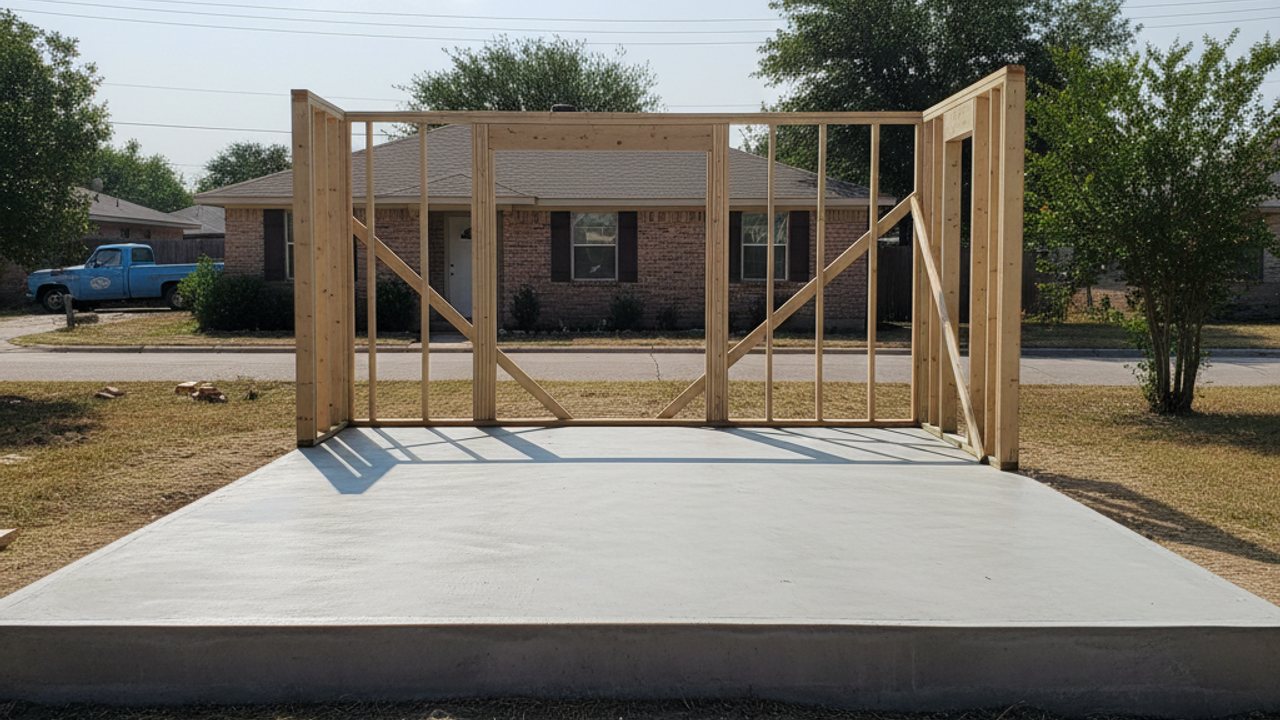
Houston's expansive clay swells and shrinks with the seasons, and a slab that isn't engineered for it will crack and telegraph through the floor within a couple of years. We use post-tensioned slabs on most ADU builds and pull a soil report before we pour. If your lot needs an elevation certificate because of flood risk, we handle that before the foundation design, not after.

Backyard Cottage & ADU Studio Builds

A smaller footprint unit, usually under the size that triggers the bigger parking and setback requirements. We size these to the lot and keep the HVAC simple, usually a single mini-split system instead of running ductwork across the yard.

ADU Electrical & Plumbing Rough-In

Every ADU needs its own subpanel or meter, its own sewer lateral tie-in, and in most cases a tankless water heater since there's no room for a tank. We coordinate with the utility company on the tap fees and the meter set so this doesn't hold up your final inspection.

ADU Renovation & Repair

If a garage conversion or older ADU is settling, cracking, or letting water in around the slab edge, we can go back in and fix it. This is usually a foundation releveling job, a moisture problem at the slab-to-wall joint, or an HVAC unit that was never sized right for the space.

Junior ADU Conversions

Converting an existing bedroom or interior space into a legal junior ADU means adding a separate entrance and making sure any bedroom has a code-compliant egress window. We handle the interior wall changes and the small kitchen or kitchenette hookup that comes with it.

ADU Site Prep & Utility Hookups

Before anything gets built we clear the site, grade it so water runs away from both structures, and locate the existing water and sewer taps. Houston lots often have easements that limit where a detached unit can sit, so we check that before design, not during excavation.

How It Works

Four steps, and no surprises in any of them.

01

We come and look

You tell us what you want doing, we look at what is actually there, and we ask the awkward questions early.

02

You get a price

In writing, itemised, free. If something might add cost later we flag it now rather than at the end.

03

We do the work

Same crew throughout. We cover your floors, keep the dust down and tidy up before we leave each day.

04

We walk it with you

You point out anything you are not happy with and we fix it before the invoice, not after.

Where We Work

All of this, across Houston, TX

We pull permits and build in Houston and these surrounding cities.

Houston, TX
Pasadena, TX
Pearland, TX
Sugar Land, TX
League City, TX
The Woodlands, TX
Baytown, TX
Conroe, TX
Missouri City, TX
Friendswood, TX
Katy, TX
Common Questions

Things worth asking

Questions that usually come up once a project is underway.

Do I need a permit to build an ADU in Houston?
Houston requires a building permit for any new ADU construction, including detached units, garage conversions, and additions, submitted through the Houston Permitting Center. Permits also require review against Chapter 42 setback and lot size rules and, on some lots, floodplain regulations.
How long does building an ADU actually take?
A detached ADU in Houston typically takes three to five months from permit approval to final inspection, depending on size and foundation type. Garage conversions run faster, often six to ten weeks, since the foundation and structure already exist.
Can an ADU be built to fit a specific budget?
ADU scope can be adjusted to fit a budget by choosing a garage conversion over new construction, simplifying the kitchen and bathroom finishes, or reducing square footage rather than cutting corners on the foundation or electrical work. A detailed written estimate before construction starts is the best way to see where the money is going.
Is there a guarantee on ADU construction work?
Workmanship warranties on ADU construction typically run one to two years and cover things like slab cracking beyond normal shrinkage, roof leaks, and plumbing or electrical defects. Material warranties from manufacturers, such as roofing shingles or water heaters, are separate and usually longer.
Who handles day-to-day communication during construction?
On most ADU jobs a single project lead or site supervisor is the main point of contact for schedule updates and questions, rather than switching between different crew members. That person should be reachable by phone throughout the build, not just at the start and end.
What materials are typically used for an ADU build?
Post-tensioned concrete is standard for ADU foundations in the Houston area because of the region's expansive clay soil. Framing is typically wood stud construction, with spray foam insulation common in this climate for its moisture resistance, and roofing matched to the main house in either composition shingle or standing seam metal.
Can I stay living in my house during ADU construction?
Homeowners can generally stay in the main house during ADU construction since detached and garage conversion projects don't usually disturb the primary residence's structure or utilities. Attached ADU additions involve more disruption near the shared wall, particularly during the tie-in phase.
How should a property be prepared before construction starts?
Clearing the build area of storage, vehicles, and landscaping near the work zone speeds up site prep, and confirming where existing water, sewer, and electrical lines run helps avoid surprises during excavation. A surveyed property line is also worth having on hand if setbacks are close to the limit.
What if something unexpected turns up once work has started?
Unexpected issues on ADU projects usually show up during excavation or demolition, such as a garage slab with more cracking than visible on the surface or a sewer line in worse shape than expected. Any change to scope should come with a written change order showing the added cost before work continues, not after.
How should a finished ADU be maintained?
New concrete slabs need to cure fully before heavy furniture goes on them, and gutters and downspouts should direct water away from the foundation year-round given how much Houston's clay soil reacts to moisture changes. HVAC filters on a mini-split system should be checked more often than a standard system, since they clog faster.

Not sure what you need?

Describe the problem and we will tell you what it probably is. No obligation.

Call (713) 597-2080